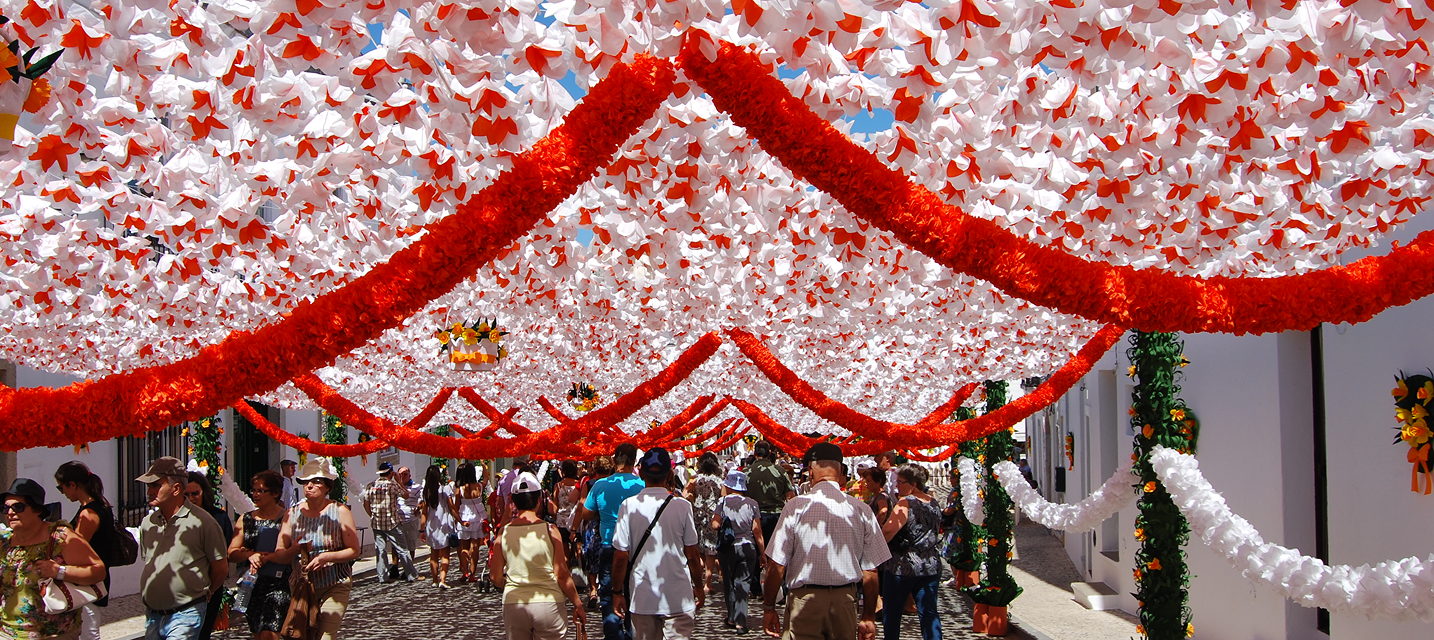
In 1889, still under the name of Artists' Festivals, the ideas that the world now knows as People's Festivals began to take shape, almost silently. They were not born with ambitions of grandeur, nor with the purpose of being seen beyond their streets. They were born from a simple, genuine, and profoundly human gesture: the desire to celebrate together.
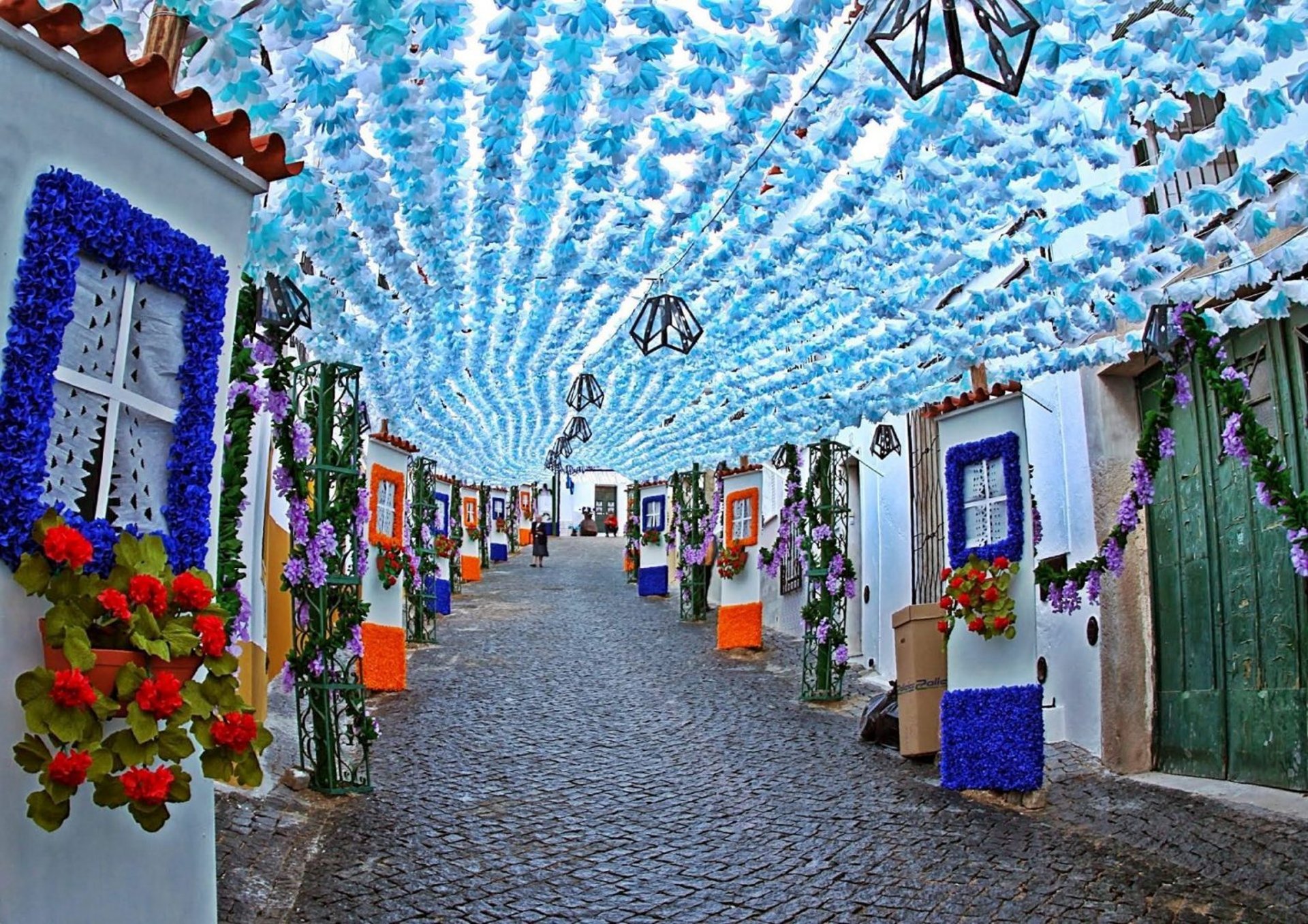
Since then, the people of Campo Maior have become, without ever claiming it, the greatest icon of this story. A people who did not wait for external recognition to make their identity a collective work. A people who, over decades, knew how to transform paper into flowers, streets into gardens, and villages into stages, taking their traditions far beyond physical and geographical boundaries.




What happened here—and continues to happen—cannot be easily taught or replicated. It is, in itself, a case study: an entire community building, with its own hands, something greater than the sum of its parts. Without rigid hierarchies, without individual protagonists, without imposed marks. Only common will, shared dedication, and a profound sense of belonging.
The People's Festivals are not just memory, nor just future. They live in an emotional territory where those who have already left, those who are here, and those who are yet to come coexist. They are the discreet tear that accompanies the smile of remembrance. They are the silent pride of those who look up and recognize, in each petal, hours of invisible work. They are the certainty that tradition, when cared for, does not age—it renews itself.
Here, nothing is done out of obligation. Everything is done out of commitment. Each flower carries stories, each street holds secrets, each edition leaves indelible marks. They were born from the hands, the will, and the hearts of those who call Campo Maior home.
It was this collective strength, built over more than a century, that led this tradition to be recognized internationally. But more important than any distinction is the fact that the Festivals continue to belong to those who have always made them exist: the people.
Because as long as there is someone willing to fold a piece of paper and transform it into a flower, as long as there are neighbors who come together to make it happen, as long as there is a community that believes in the value of what it builds together, the People's Festivals will continue to flourish.
And in Campo Maior, as always, everything is born from the hands of the people.
The origin of the festivals
To understand the origin of the Festas do Povo (People's Festivals),
it is necessary to go back to the 18th century and the festivities
of Saint John the Baptist, patron saint of Campo Maior,
which took place on October 28th to commemorate
the date in 1712 when the town was freed
from "a siege that had jeopardized its possessions
and lives," according to documents from that time.
Francisco Pereira Galego, a professor from Campo Maior who investigated various facets of the town's history, recounts in his work Campo Maior. As Festas do Povo das origens à atualidade (Livros Horizonte, 2004) how these festivals fell somewhat into oblivion in the second half of the 19th century, and, when they were resumed at the end of that century, they moved to the end of August and the beginning of September, abandoning their exclusively religious character to become primarily popular festivals: the procession was maintained, but now with ornamentation and nighttime street lighting, bullfights, dances, and other entertainments.




With support from:
Media Partner:





Sponsored by: